250 Students, One Webinar, and the Translation Problem
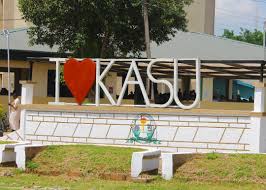
Last week we ran a live session with Kaduna State University in Nigeria. 250+ students joined. The energy in the chat was immediate and honest: "How do I explain what I know to employers?" "I send applications and hear nothing back." "I have skills but I don't know how to prove it."
This is the translation problem. It's not about intelligence or qualifications. It's about the gap between what students learn and how employers expect to hear about it. Most graduates can do the work. They just can't articulate it in the language the job market understands.
What we're doing with KASU
We've partnered with the Career and Mentoring Development Center at Kaduna State University to put ZVAC in the hands of their students. The first cohort got 100 licenses. Full semester access. The goal isn't to replace what the career center does. It's to amplify it.
Career advisors can only meet with so many students per week. ZVAC extends their reach by giving every student access to job decoding, personalized gap analysis, and CV generation tools whenever they need them. The platform builds on what the career center teaches. Students use it between sessions. Advisors get dashboard visibility into what their students are working on and where they're getting stuck.
The challenge we gave them
Access means nothing without action. So we framed it as a 30-day challenge: decode 3 real job postings, create one optimized CV, build one personalized development plan. Concrete deliverables. Clear deadline.
We told them the truth: of 100 students who get access, maybe 30 will use it. Maybe 10 will use it well. Maybe 3 will master it and actually change their trajectory. The question isn't whether you have the tool. It's whether you'll do something with it.
Why this matters
Nigeria has one of the youngest populations in the world. Millions of graduates enter the job market every year. Career centers are stretched thin. The gap between education and employment isn't closing on its own.
We don't think AI solves this by itself. But we do think it can make career guidance more accessible, more personalized, and more scalable. When a student can take any job posting and instantly understand what it actually requires, how they match up, and what language to use in their application, something shifts. They stop guessing. They start positioning.
That's what we're building toward with KASU. Not a product demo. A real partnership to see what happens when you give students the tools to translate themselves.
More to come as the semester unfolds.